When Do You Need Oral Surgery Instead of Basic Dental Care?
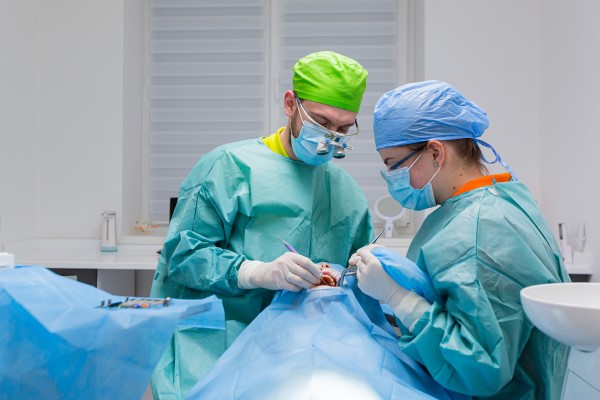
Determining when oral surgery is necessary involves understanding the difference between routine maintenance and complex procedures that address deep structural issues within the mouth. Basic dental care typically focuses on the prevention and treatment of surface-level problems, such as professional cleanings, fillings, or minor gum treatments. However, when a condition affects the underlying bone, involves impacted teeth, or requires the removal of diseased tissue deep within the jaw, a general dentist may recommend surgical intervention. Knowing the signs that indicate the need for more intensive care helps patients receive appropriate treatment for their long-term health and functional needs.
Severe tooth impaction
One of the most common reasons a patient might transition from basic care to oral surgery involves the presence of impacted teeth. This occurs when a tooth, often a third molar, lacks sufficient space to emerge properly and remains trapped beneath the gum line or bone. While a standard extraction can sometimes handle a fully emerged tooth, an impacted tooth requires a surgical approach to access and remove it without damaging the surrounding structures. This procedure prevents the impacted tooth from pushing against adjacent roots or causing crowding and infection in the back of the mouth.
Impacted teeth can also lead to the formation of cysts or fluid-filled sacs that can damage the jawbone and nerves. By opting for a surgical extraction, the dentist can ensure that the entire tooth is removed and the area is cleaned to prevent future complications. This level of care is vital for protecting the alignment of the remaining teeth and maintaining the integrity of the jaw. Most patients find that addressing impactions early reduces the likelihood of chronic pain and long-term dental misalignment.
Advanced dental implant placement
While basic care can involve replacing a single missing tooth with a bridge, oral surgery is required in order to place dental implants. This process involves the surgical insertion of a titanium post into the jawbone to act as a replacement root. Because this treatment interacts directly with the bone structure, it requires a higher level of planning and clinical focus than surface-level restorations. For patients with significant bone loss, the process may also include bone grafting to ensure the implant has a stable foundation for a long-lasting result.
- Evaluation of bone density and volume to support the post
- Surgical placement of the implant into the alveolar bone
- Grafting procedures to strengthen the site, if necessary
- Soft tissue management to ensure a healthy seal around the restoration
By utilizing surgical techniques, a dentist provides a solution that mimics the function of a natural tooth root. This helps to stimulate the bone and prevent the facial sagging often associated with tooth loss.
Correcting structural jaw issues
Basic dental care can often manage minor bite issues with appliances, but significant skeletal discrepancies may require surgical correction. When the upper and lower jaws do not align properly, it can lead to difficulties with chewing, speaking, and even breathing. Surgery can reshape or reposition the jawbones to create a more functional and balanced relationship between the arches. This type of intervention is typically reserved for cases where traditional orthodontic movements alone cannot achieve a healthy and stable alignment of the bite.
Corrective jaw surgery can also address issues such as obstructive sleep apnea by opening the airway or reducing the strain on the temporomandibular joint. Because these procedures involve moving the actual bone structure, they are much more involved than fitting a nightguard or a simple retainer. However, the results can significantly improve the quality of life for a patient by resolving chronic pain and improving facial symmetry. A general dentist will work closely with the patient to determine if the bite concerns are dental or skeletal in nature.
Treatment of advanced infections or cysts
When an infection moves beyond the reach of a standard root canal or deep cleaning, oral surgery may be the only way to save the surrounding tissues. This can include procedures to remove cysts, tumors, or infected root tips that have developed deep within the jawbone. By surgically accessing the site of the infection, a dentist can thoroughly clean the area and remove any damaged tissue that could compromise the health of other teeth. This targeted approach stops the spread of disease and supports the natural healing process of the bone.
Preparing for a healthy future
Choosing oral surgery over basic care depends on the complexity and location of the dental problem. While routine visits keep the surface of the smile healthy, surgical procedures address the foundational elements that support the entire oral cavity. By resolving these deeper issues, patients can enjoy better stability, function, and comfort for many years. A general dentist provides the necessary expertise to identify when these advanced techniques are needed to preserve the health of the mouth. For more information or to schedule an appointment, call our office.
To schedule a consultation, please request an appointment on our website at https://www.santamonicadental.com or call Santa Monica LiveWell Dentistry at (310) 907-7780 to arrange an appointment at our Santa Monica office.
Check out what others are saying about our dental services on Yelp: Oral Surgery in Santa Monica, CA.
Related Posts
Oral surgery is a branch of dentistry that diagnoses and treats conditions affecting the mouth, jaw, and face. While general dental treatments can address many dental issues, some issues require surgical intervention. Understanding the different types of oral surgery can help patients make informed decisions when they need a more advanced procedure.Tooth extraction is one…
When tooth loss occurs, simple tasks such as chewing and speaking may be difficult, and the appearance of a smile can be affected. An implant dentist uses dental implants to address these issues, as the restorations integrate directly with the jawbone, creating a long-lasting foundation for replacement teeth. The process not only restores the look…
An implant dentist can help people who are missing one or more teeth restore the appearance and function of their smile. These dental professionals specialize in dental implant procedures that can help promote long-term oral health. They also offer follow-up care and support for those who need to repair or replace their restoration.Tooth loss affects…
Dental implants function like natural tooth roots, providing a secure foundation for artificial teeth. An implant dentist follows a structured process to ensure the implant integrates properly with the jawbone, resulting in a functional and natural-looking restoration. Knowing what to expect at each stage of treatment can ease patient concerns and ensure proper preparation.The dental…